Blogia

petalofucsia

MÚSICA4: A Christmas Carol, titulado Los fantasmas de Scrooge en Latinoamerica y Cuento de Navidad en España, es una adaptación cinematográfica del clásico de Charles Dickens, A Christmas Carol. Su estreno mundial se realizó el 6 de noviembre del 2009. Su recaudación en taquilla es de $306,432,237 Dirigida por Robert Zemeckis y teniendo de protagonista principal a Jim Carrey en múltiples papeles, incluyendo el personaje de Ebenezer Scrooge tanto en su juventud como en su edad adulta y en la vejez, así como los tres fantasmas que atormentan a Scrooge. La película está en formato 3D.[1] [2]

A Christmas Carol (película)

De Wikipedia, la enciclopedia libre

A Chistmas Carol
TítuloLos fantasmas de Scrooge
Ficha técnica
DirecciónRobert Zemeckis
GuiónRobert Zemeckis
Efectos especialesDisney Digital 3D & IMAX 3D
RepartoJim Carrey
Gary Oldman
Colin Firth
Bob Hoskins
Robin Wright Penn
Cary Elwes
Fionnula Flanagan
Datos y cifras
País(es)Estados Unidos
Año2009
GéneroInfantil
Compañías
ProductoraDisney Pictures
Presupuesto$200 million USD
Ficha en FilmAffinity

A Christmas Carol, titulado Los fantasmas de Scrooge en Latinoamerica y Cuento de Navidad en España, es una adaptación cinematográfica del clásico de Charles Dickens, A Christmas Carol. Su estreno mundial se realizó el 6 de noviembre del 2009. Su recaudación en taquilla es de $306,432,237 Dirigida por Robert Zemeckis y teniendo de protagonista principal a Jim Carrey en múltiples papeles, incluyendo el personaje de Ebenezer Scrooge tanto en su juventud como en su edad adulta y en la vejez, así como los tres fantasmas que atormentan a Scrooge. La película está en formato 3D.[1] [2]

Contenido

[ocultar]
//

[editar] Producción

Disney utiliza la técnica motion capture o "captura de movimiento", donde capturan los movimientos del actor para pasarlos a la pantalla.

[editar] Reparto

[editar] Sinopsis

Ebenezer Scrooge un viejo, rico y avaro, de la Inglaterra victoriana, que odia la Navidad hasta tal grado que obliga a su empleado, Bob Crachit, a trabajar hasta altas horas de la noche en víspera.

En la víspera de Navidad es visitado por el espíritu de su antiguo socio, Jacob Marley, quien le anuncia la visita de tres fantasmas. Estos espíritus son los que van a mostrarle sus Navidades pasadas (donde disfrutaba de la fecha en su juventud y la cual recordaba con gusto), la presente (donde ve como todos sus conocidos la disfrutan aun en sus carencias y donde descubre que, a pesar de su carácter, es apreciado) y las futuras (que serán para él muy tristes, sin saber si lo que ve es lo que va a pasar o lo que podría suceder).

[editar] Enlaces externos

[editar] Referencias

  1. Rodando Cine[1]
  2. Peliculas Info[2]


CINE 5: CUENTO DE NAVIDAD ( A Christmas Carol; 2009). A Christmas Carol, titulado Los fantasmas de Scrooge en Latinoamerica y Cuento de Navidad en España, es una adaptación cinematográfica del clásico de Charles Dickens, A Christmas Carol. Su estreno mundial se realizó el 6 de noviembre del 2009. Su recaudación en taquilla es de $306,432,237 Dirigida por Robert Zemeckis y teniendo de protagonista principal a Jim Carrey en múltiples papeles, incluyendo el personaje de Ebenezer Scrooge tanto en su juventud como en su edad adulta y en la vejez, así como los tres fantasmas que atormentan a Scrooge. La película está en formato 3D.[1] [2]

A Christmas Carol Soundtrack 03- Marley's Ghost Visits Scrooge

A Christmas Carol (película)

De Wikipedia, la enciclopedia libre

A Chistmas Carol
TítuloLos fantasmas de Scrooge
Ficha técnica
DirecciónRobert Zemeckis
GuiónRobert Zemeckis
Efectos especialesDisney Digital 3D & IMAX 3D
RepartoJim Carrey
Gary Oldman
Colin Firth
Bob Hoskins
Robin Wright Penn
Cary Elwes
Fionnula Flanagan
Datos y cifras
País(es)Estados Unidos
Año2009
GéneroInfantil
Compañías
ProductoraDisney Pictures
Presupuesto$200 million USD
Ficha en FilmAffinity

A Christmas Carol, titulado Los fantasmas de Scrooge en Latinoamerica y Cuento de Navidad en España, es una adaptación cinematográfica del clásico de Charles Dickens, A Christmas Carol. Su estreno mundial se realizó el 6 de noviembre del 2009. Su recaudación en taquilla es de $306,432,237 Dirigida por Robert Zemeckis y teniendo de protagonista principal a Jim Carrey en múltiples papeles, incluyendo el personaje de Ebenezer Scrooge tanto en su juventud como en su edad adulta y en la vejez, así como los tres fantasmas que atormentan a Scrooge. La película está en formato 3D.[1] [2]

Contenido

[ocultar]
//

[editar] Producción

Disney utiliza la técnica motion capture o "captura de movimiento", donde capturan los movimientos del actor para pasarlos a la pantalla.

[editar] Reparto

[editar] Sinopsis

Ebenezer Scrooge un viejo, rico y avaro, de la Inglaterra victoriana, que odia la Navidad hasta tal grado que obliga a su empleado, Bob Crachit, a trabajar hasta altas horas de la noche en víspera.

En la víspera de Navidad es visitado por el espíritu de su antiguo socio, Jacob Marley, quien le anuncia la visita de tres fantasmas. Estos espíritus son los que van a mostrarle sus Navidades pasadas (donde disfrutaba de la fecha en su juventud y la cual recordaba con gusto), la presente (donde ve como todos sus conocidos la disfrutan aun en sus carencias y donde descubre que, a pesar de su carácter, es apreciado) y las futuras (que serán para él muy tristes, sin saber si lo que ve es lo que va a pasar o lo que podría suceder).

[editar] Enlaces externos

[editar] Referencias

  1. Rodando Cine[1]
  2. Peliculas Info[2]

CINE5: LA VIE EN ROSE (2007) ¿LE ATRAE LA VIDA EN FRANCIA? ¿LOS BARRIOS PARISINOS? ¿QUÉ ES LO QUE LE GUSTA DE FRANCIA? EL EMBRUJO DE SUS CALLES, SUS COSMOPOLITAS BARRIOS... Y ANTE TODO SU DISTINGUIDO AMBIENTE, DONDE TODOS ENCUENTRAN SU SITIO. ¿VE TV FRANCESA? ¿QUÉ OPINA DE LA CULTURA FRANCESA, EN RELACIÓN A SU CULTURA PROPIA? ¿LE GUSTARÍA TOMAR ALGUNA COSA DE OTRAS CULTURAS PARA LA SUYA? ¿HA VIAJADO? ¿QUÉ TOMARÍA DE OTRAS CULTURAS PARA LA SUYA, PENSANDO YA COMO UN POLÍTICO?

La Vie en rose (film)

From Wikipedia, the free encyclopedia
Jump to: navigation, search
La Vie en Rose
Directed byOlivier Dahan
Produced byAlain Goldman
Written byIsabelle Sobelman
Olivier Dahan
StarringMarion Cotillard
Gérard Depardieu
Sylvie Testud
Music byChristopher Gunning
Édith Piaf
CinematographyTetsuo Nagata
Editing byRichard Marizy
StudioLégende Films
Distributed byPicturehouse (USA)
Release date(s)February 8, 2007 (2007-02-08) (Berlin)
February 14, 2007 (2007-02-14) (France)
May 31, 2007 (2007-05-31) (Czech Republic)
June 22, 2007 (2007-06-22) (United Kingdom)
Running time140 minutes
CountryFrance
Czech Republic
United Kingdom
LanguageFrench
English
Budget$25,000,000
Gross revenue$81,945,871

La Vie en Rose (French pronunciation: [la vi ɑ̃ ʁoz], literally Life in Pink; released in France as La Môme, referring to Piaf's nickname "La Môme Piaf," meaning "The Little Sparrow") is a 2007 French/Czech/British biographical drama film directed by Cesar Award nominee Olivier Dahan, about the life of the legendary French chanteuse Édith Piaf, and is named after her signature song. The film won five Césars, including one for Best Actress, and Marion Cotillard won an Academy Award for her performance, marking the first time an Oscar had been given for a French-language role. She is also the first French actress to win a Comedy or Musical Golden Globe for a foreign language role. It also became the first French film to win more than one Oscar; the other being for Makeup.

Contents

[hide]
//

[edit] Plot

The film presents a fractured and largely non-linear series of key events from the life of Édith Piaf. Although scenes often jump back and forth across decades (evoked as flashbacks mostly from within Edith's memories), parts of her childhood take up much of the first part, and the movie ends with her death, and the performance of her song, "Non, je ne regrette rien" (No, I regret nothing).

As a small child in 1918, Edith Piaf is crying on a stoop, near some other children on the streets of Paris. Her mother stands across the alley singing, panhandling for change. Edith's mother writes a letter to her child's father, the acrobat, who is in the trenches of World War I. She explains that she's dropping Edith off at her mother's so she can pursue the life of the artist. Her father returns to Paris and scoops up Edith, covered in insect bites and sores, from under the blanket of a bed in a dilapidated house. He drops her off at his mother's, who is a madam of a bordello in Normandy. There, Edith is adopted informally by Titine, a young troubled redhead who sings to Edith, plays with her, and walks the streets of their small town. Titine and another prostitute care for Edith; they are repeatedly demeaned and abused by brothel customers.

Several years after the end of the war, Edith's father returns and takes Edith to live with him, despite anguished protests by Titine, who must be held back while he bundles Edith into a cart. Her father works in the circus as an acrobat. One night, as Édith is outside cleaning up after dinner at night, she stops to watch a fire eater practising and in the flames sees an apparition of St Thérèse, who assures her that she will always be with her - a belief that Édith carries with her for the rest of her life. When Edith is ten years old, her father leaves the company after an argument with the manager and begins performing on the streets of Paris. At one point a passerby asks if Edith is part of the show, and with prompting by her father to "do something," she sings La Marseillaise with great emotion and yearning. More crowds gather around her and are obviously moved.

Years later, Edith makes a friend from a factory job, Mômone, and they wander the streets, drinking from a bottle of wine, and Edith occasionally sings for their supper. Singing on the street in Montmartre, a nightclub owner named Louis Leplée approaches her and introduces himself. Impressed with her singing, Leplée changes her name to Piaf, a colloquialism for sparrow, because her original name is too long and off-putting.

Afterwards, Leplee is shot dead, and many think Edith's connections to the mafia, namely, the pimp Albert, causes his murder. She is interviewed by the police, but is not charged. She tries to sing at a low grade cabaret with Albert accompanying on accordion, but she is shouted off the stage.

In utter despair, Edith finally meets up with her next savior- Raymond Asso, a talented songwriter and accompanist. He discovers her "great hands," and teaches her to gesture with them while singing. He also emphasizes enunciation, formal wear and comportment. Before their first concert at a music hall, "Not a cabaret," the manager intones, she has a fierce bout of stage fright and is huddled in the dark in her dressing room, thirty minutes after curtain call. He advises her finally to "stand up," and she manages to shake off this fright. This performance is a resounding success.

Edith next travels to New York City for more performances. She meets Marcel Cerdan, a fellow French national boxer competing for the World Champion title abroad. They first dine at his "local spot" a diner where she gets a pint of beer and a pastrami sandwich. She teases him that this is not a date, and they end up at a very fancy restaurant, where she orders the wine and entrees. He reveals that he has a pig farm, to which Edith laughs very loudly. Marcel tells her that, while he's away, the farm is run by his wife. Edith is speechless, but is quickly falling in love, as she reveals to Mômone that night. Marcel later attends her performance of La Vie En Rose, after which they meet Marlene Dietrich, who reveals that Edith's singing made her cry. That night, Marcel and Edith are led through a fire escape of Edith's hotel, where she states, "I'm starting to like this city, the stars are out tonight". They spend their first night together.

The next morning Edith wakes up to Marcel, who is in a suit lounging on her bed. She rushes off to get him coffee, joking with Mômone and Louis who are subdued, standing in the suite in different rooms. She rushes off to get Marcel's present, a watch, and gets irritated that she can't find it. Ginou comes to the door with a very sad expression. Exasperated, Edith asks what is wrong with everyone. Louis, her manager, takes her aside and tells her that Marcel's plane crashed. Edith hysterically searches for the ghost of Marcel that was lounging on her bed just a moment before.

There are many flash forwards to a small aged-looking Edith with frizzy red hair, sitting in a chair by the lakeside. She can barely move, and fights with her nurse about drinking carrot juice. Another set of flash forwards depict Edith with short curly hair, plastered to her face like she is feverish, singing on stage and collapsing every other song. She is taken back to her green room, only to be yelled at by Lou In another flash forward, Edith is hosting a large party at a Parisian bistro. She toasts to Marguerite who saw her "as a princess," before anyone else did. She flirts with the waiter, and topples a bottle of champagne, not due to drunkenness, but her arthritis. She finally sees the owner of the restaurant and implores him to get her a gift. She asks for a ring, with tons of diamonds on it. Louis quietly tells him to simply replace the champagne she spilled. The next morning Louis opens her bedroom door to a small Edith on the large bed, with curtains drawn. He offers her breakfast but she tells him no, she is expecting someone. A young man comes in the room and lounges on her bed. Louis leaves, sitting outside the door. Time passes and he re-enters the room. Five or so bloody syringes are on the bed and both Edith and her young man are lying there with their eyes open, in relatively the same position.

After her first convalescence, she travels to California with her husband Jacques Pills and drives around with Ginou and some others in a car. Ginou is car sick and Edith takes the small break as an opportunity to drive the car, which she does, straight into a cactus. She jokes that she will now have to hitchhike.

She sits with Jacques at the side of a pool and is offered a strange fruity martini drink. She wonders if he will divorce her now. In the next scene, they are at a doctor's office, in America. She explained that she has been using drugs since the plane crash. Before the doctor can tell her how the shots have been affecting her health, her husband says he wants her to go into rehab. Five years after this event, a small, frail, hunched Edith slowly pads into her living room. Her entourage is crowded, concerned, on the other side of the room. She determines that it is impossible, for obvious reasons, to perform at the Olympia. Her long-time arranger Bruno Coquatrix is told to cancel the show. A new songwriter and arranger shows up with a song, "Je ne regrette rien", and Edith exclaims: "You're marvellous! Exactly what I've been waiting for. It's incredible. It's me! That's my life, it's me". She tells Bruno that she will perform it at the Olympia.

She sits in her dressing room and searches for her cross that she always wears. She sends her maid and secretary out to get it, and at that point has a series of flashbacks. When she returns with the cross, Edith places it on and shuffles out onto the stage. She begins singing "Je ne regrette rien," to more flashbacks:

A sunny day in the United States. She walks out to the beach with her knitting. This is a smaller, red-haired Edith with an obvious stoop. She waves at the lifeguard and sits near the breakers. A young woman with a purse and bag approaches and introduces herself. She is there for an interview. She asks Edith simple questions: what is her favorite color? (blue), her favorite food? (pot roast). And then more questions. If you were to give advice to a woman, what would it be? "Love." To a young girl? "Love". To a child? "Love".

Louis carries a bundled up Edith into her bedroom and tucks her into bed. The subtitle reads that this is the date of her death. She is afraid. She says she cannot remember things. She flashes back to small moments, her mother recognizing that they have similar features, but odd eyes. Her father giving her a Japanese doll that she longed for. From the years when she was a street performer, she remembers her child, Marcelle, that daughter of Louis Dupont. She remembers how he yelled at her for taking Marcelle out on the street. She was singing in a cabaret when Dupont came to tell her Marcelle was in the hospital. They arrive, and Marcelle has already died of meningitis.

In the last scene of the film, Edith performs her debut of "Je ne regrette rien" at the Olympia.

[edit] Cast

[edit] Production

  • Four songs were entirely performed by "Parigote" singer Jil Aigrot: "Mon Homme" (My Man), "Les Mômes de la Cloche" (The kids of the bell), "Mon Légionnaire" (My legionary), "Les Hiboux" (Owls) as well as the third verse and chorus of "L'Accordéoniste" (The accordionist) and the first chorus of "Padam Padam". Only parts of these last two songs were sung because they were sung while Piaf/Cotillard was fatigued and collapsed on stage.
  • Apart from that, "La Marseillaise" is performed by child singer Cassandre Berger (lip-synched by Pauline Burlet, who plays the young Édith in the film), and Mistinguett's "Mon Homme" (My Man) and "Il m'a vu nue" (He saw me naked)(sung in part by Emmanuelle Seigner) also appear.
  • The movie premiered at the Berlin Film Festival.
  • The opening song in the film is "Milord" -- also known as "Ombre de la Rue." (Shadow of the street)

[edit] Box office performance

In theaters, the film grossed US$81,945,871 worldwide - $10,072,300 in the United States and Canada and $71,873,571 elsewhere in the world.[1] In Francophone countries including Algeria, Monaco, Morocco and Tunisia, the film grossed a total of $42,014,775.[2]

This film became the third-highest-grossing French-language film in the United States in the last two decades (behind Amélie and Brotherhood of the Wolf). [1]

[edit] Critical reception

The film received generally favorable reviews from critics. As of July 2008, the review aggregator Rotten Tomatoes reported that 75% of the 135 critics to view the film had given it positive reviews.[3] Metacritic reported the film had an average score of 66 out of 100, based on 29 reviews.[4] In particular, critics praised the lifelike and deeply emotional performance of lead actress Marion Cotillard, culminating in her Oscar win for Best Actress in a Leading Role. Critic A.O Scott of The New York Times, while unimpressed with the film itself, was still rather impressed with Cotillard's performance: "It is hard not to admire Ms. Cotillard for the discipline and ferocity she brings to the role."[5] Carino Chocano of the Los Angeles Times opined that "Marion Cotillard is astonishing as the troubled singer in a technically virtuosic and emotionally resonant performance..." Richard Nilsen from Arizona Republic was even more enthusiastic, writing "don't bother voting. Just give the Oscar to Marion Cotillard now. As the chanteuse Édith Piaf in La Vie en rose, her acting is the most astonishing I've seen in years."[3]

[edit] Awards

Marion Cotillard won seven Best Actress Awards for her portrayal of Édith Piaf in La Vie en Rose:

Other awards include:

[edit] References

[edit] External links

Template:CinemaofCzech

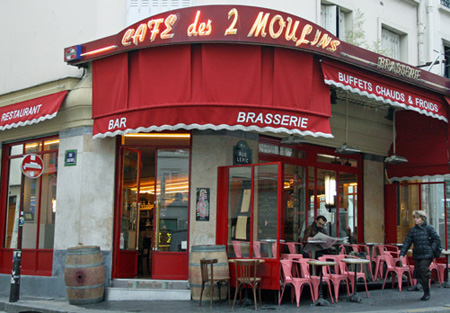
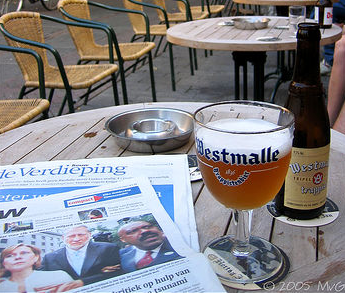
TEMAS SOCIALES: ¿ES USTED LA CLASE DE PERSONA QUE SE DEJA VER EN CASAS DE CAFÉ O CAFETERIAS PARA HABLAR DE POLÍTICA, LITERATURA, LEER LA PRENSA O DISCUTIR TEMAS DELANTE DE UNA TAZA DE CAFÉ? CHARLANDO SOBRE TODA CLASE DE ASUNTOS, DE LOS QUE MUCHOS AFIRMAN QUE APRENDEN MÁS QUE EN LA ESCUELA, TAMBIÉN DE NEGOCIOS, EMPRESAS, E INSTITUCIONES ECONÓMICAS... MUCHA GENTE SE DEJA TODAVÍA VER EN LOS COFFEESHOPS, EN PARÍS CONTINÚAN SIENDO MUY FAMOSAS LAS CAFETERÍAS DEL BARRIO DE MONTMARTRE, FAUGBOURG SAINT GERMAIN, MONTPARNASSE... ALLI SE REUNEN PERSONALIDADES Y GENTES DE A PIE PARA HABLAR DE TEMAS CANDENTES DE ACTUALIDAD Y APRENDER COSAS NUEVAS LEYENDO COMO ESTÁ EL MUNDO EN SUS PAGINAS GRISES DE PRENSA. ¿ERES DE ESA CLASE DE PERSONA QUE VA A LAS CAFETERÍAS O COFFEESHOP? ¿TIENES ALGO QUE DECIR ACERCA DEL MUNDO GRIS DE LA PRENSA O SIMPLEMENTE TE GUSTARIA DISFRUTAR DE MÁS TIEMPO LIBRE PARA ESTE TIPO DE ACTIVIDADES POR LAS MAÑANAS DESPUÉS DE LEVANTARTE?

Coffeehouse

From Wikipedia, the free encyclopedia
Jump to: navigation, search
"Discussing the War in a Paris Café", The Illustrated London News 17 September 1870

A coffeehouse or coffee shop is an establishment which primarily serves prepared coffee or other hot beverages. It shares some of the characteristics of a bar, and some of the characteristics of a restaurant, but it is different from a cafeteria. As the name suggests, coffeehouses focus on providing coffee and tea as well as light snacks. Many coffee houses in the Middle East, and in West Asian immigrant districts in the Western world, offer shisha (nargile in Turkish and Greek), flavored tobacco smoked through a hookah.

From a cultural standpoint, coffeehouses largely serve as centers of social interaction: the coffeehouse provides social members with a place to congregate, talk, write, read, entertain one another, or pass the time, whether individually or in small groups of 2 or 3.

In the United States, the French word for coffeehouse (café) means an informal restaurant, offering a range of hot meals.

Contents

[hide]

[edit] History

Storyteller (meddah) at a coffeehouse in the Ottoman Empire

The Ottoman chronicler İbrahim Peçevi reports the opening of the first coffeehouse in Istanbul:

Until the year 962 [1555], in the High, God-Guarded city of Constantinople, as well as in Ottoman lands generally, coffee and coffee-houses did not exist. About that year, a fellow called Hakam from Aleppo and a wag called Shams from Damascus came to the city; they each opened a large shop in the district called Tahtakale, and began to purvey coffee.[1]

Various legends involving the introduction of coffee to Istanbul at a "Kiva Han" in the late 15th century circulate in culinary tradition, but with no documentation.[2]

Coffeehouses in Mecca soon became a concern as places for political gatherings to the imams who banned them, and the drink, for Muslims between 1512 and 1524. In 1530 the first coffee house was opened in Damascus,[3] and not long after there were many coffee houses in Cairo.

In the 17th century, coffee appeared for the first time in Europe outside the Ottoman Empire, and coffeehouses were established and quickly became popular. The first coffeehouses reached Western Europe probably through the Kingdom of Hungary, (thus this was the mediator between the Holy Roman Empire and the Ottoman Empire)[4] and appeared in Venice, due to the trafficks between La Serenissima and the Ottomans; the very first one is recorded in 1645. The first coffeehouse in England was set up in Oxford in 1650 by a Jewish man named Jacob in the building now known as "The Grand Cafe". A plaque on the wall still commemorates this and the Cafe is now a trendy cocktail bar.[5] Oxford's Queen's Lane Coffee House, established in 1654, is also still in existence today. The first coffeehouse in London was opened in 1652 in St Michael's Alley, Cornhill. The proprietor was Pasqua Rosée, the servant of a trader in Turkish goods named Daniel Edwards, who imported the coffee and assisted Rosée in setting up the establishment[6][7]. By 1675, there were more than 3,000 coffeehouses in England.[8] Pasqua Rosée also established Paris' first coffeehouse in 1672 and held a city-wide coffee monopoly until Procopio Cutò opened the Café Procope in 1686.[9] This coffeehouse still exists today and was a major meeting place of the French Enlightenment; Voltaire, Rousseau, and Denis Diderot frequented it, and it is arguably the birthplace of the Encyclopédie, the first modern encyclopedia. America had its first coffeehouse in Boston, in 1676.[10] Vienna's first coffee house, The Blue Bottle Coffee House, was opened by the Greek Johannes Theodat (later known as Johannes Diodato) in 1685.[11] [12] 15 years later, four Greek owned coffeehouses had the privilege to serve coffee.[11]

Coffeehouse in Palestine.

Though Charles II later tried to suppress the London coffeehouses as "places where the disaffected met, and spread scandalous reports concerning the conduct of His Majesty and his Ministers", the public flocked to them. For several decades following the Restoration, the Wits gathered round John Dryden at Will's Coffee House, in Russell Street, Covent Garden.[citation needed] The coffee houses were great social levellers, open to all men and indifferent to social status, and as a result associated with equality and republicanism. More generally, coffee houses became meeting places where business could be carried on, news exchanged and the London Gazette (government announcements) read. Lloyd's of London had its origins in a coffeehouse run by Edward Lloyd, where underwriters of ship insurance met to do business. By 1739 there were 551 coffeehouses in London; each attracted a particular clientele divided by occupation or attitude, such as Tories and Whigs, wits and stockjobbers, merchants and lawyers, booksellers and authors, men of fashion or the "cits" of the old city center. According to one French visitor, Antoine François Prévost, coffeehouses, "where you have the right to read all the papers for and against the government," were the "seats of English liberty."[13]

The banning of women from coffeehouses was not universal, but does appear to have been common in Europe. In Germany women frequented them, but in England and France they were banned.[14]. Émilie du Châtelet purportedly wore drag to gain entrance to a coffeehouse in Paris [15] In a well-known engraving of a Parisian coffeehouse of c. 1700,[16] the gentlemen hang their hats on pegs and sit at long communal tables strewn with papers and writing implements. Coffeepots are ranged at an open fire, with a hanging cauldron of boiling water. The only woman present presides, separated in a canopied booth, from which she serves coffee in tall cups.

Traditional Café Central in Vienna, Austria

The traditional tale of the origins of the Viennese café begins with the mysterious sacks of green beans left behind when the Turks were defeated in the Battle of Vienna in 1683. All the sacks of coffee were granted to the victorious Polish king Jan III Sobieski, who in turn gave them to one of his officers, Jerzy Franciszek Kulczycki. Kulczycki began the first coffeehouse in Vienna with the hoard. However, it is now widely accepted that the first coffeehouse was actually opened by an Greek merchant named Johannes Diodato.[12]

In London, coffeehouses preceded the club of the mid-18th century, which skimmed away some of the more aristocratic clientele. Jonathan's Coffee-House in 1698 saw the listing of stock and commodity prices that evolved into the London Stock Exchange. Auctions in salesrooms attached to coffeehouses provided the start for the great auction houses of Sotheby's and Christie's. In Victorian England, the temperance movement set up coffeehouses for the working classes, as a place of relaxation free of alcohol, an alternative to the public house (pub).
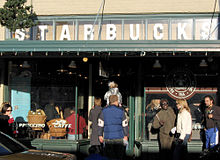
The first Starbucks store, in Seattle, Washington

Coffee shops in the United States arose from the espresso- and pastry-centered Italian coffeehouses of the Italian American immigrant communities in the major U.S. cities, notably New York City's Little Italy and Greenwich Village, Boston's North End, and San Francisco's North Beach. Both Greenwich Village and North Beach were major haunts of the Beats, who became highly identified with these coffeehouses. As the youth culture of the 1960s evolved, non-Italians consciously copied these coffeehouses. Before the rise of the Seattle-based Starbucks chain, Seattle and other parts of the Pacific Northwest had a thriving countercultural coffeehouse scene; Starbucks standardized and mainstreamed this model.

In the United States, from the late 1950s onward, coffeehouses also served as a venue for entertainment, most commonly folk performers during the American folk music revival. This was likely due to the ease at accommodating in a small space a lone performer accompanying himself or herself only with a guitar; the political nature of much of 1960s folk music made the music a natural tie-in with coffeehouses with their association with political action. A number of well known performers like Joan Baez and Bob Dylan began their careers performing in coffeehouses. Blues singer Lightnin' Hopkins bemoaned his woman's inattentiveness to her domestic situation due to her overindulgence in coffeehouse socializing, in his 1969 song "Coffeehouse Blues".

Sign for a Seattle coffeehouse, Seattle, Washington

From the 1960s through the mid-1980s, many churches and individuals in the United States used the coffeehouse concept for outreach. They were often storefronts and had names like The Gathering Place (Riverside, CA), Catacomb Chapel (New York City), and Jesus For You (Buffalo, NY). Christian music (guitar-based) was performed, coffee and food was provided, and Bible studies were convened as people of varying backgrounds gathered in a casual "unchurchy" setting. These coffeehouses usually had a rather short life, about three to five years or so on average.[citation needed] An out-of-print book, published by the ministry of David Wilkerson, titled, A Coffeehouse Manual, served as a guide for Christian coffeehouses, including a list of name suggestions for coffeehouses.[17]

[edit] Format
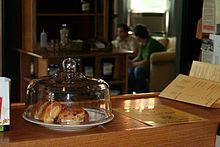
Coffeehouses in the United States often sell pastries or other food items

Cafes may have an outdoor section (terrace, pavement or sidewalk cafe) with seats, tables and parasols. This is especially the case with European cafes. Cafes offer a more open public space compared to many of the traditional pubs they have replaced, which were more male dominated with a focus on drinking alcohol.

One of the original uses of the cafe, as a place for information exchange and communication, was reintroduced in the 1990s with the Internet café or Hotspot (Wi-Fi)[18]. The spread of modern style cafes to many places, urban and rural, went hand in hand with computers. Computers and Internet access in a contemporary-styled venue helps to create a youthful, modern, outward-looking place, compared to the traditional pubs or old-fashioned diners that they replaced. Coffee shops like The Coffee Bean & Tea Leaf and Peet's now offer free Wi-Fi in most stores.

[edit] International variation

In the Middle East, the coffeehouse (al-maqhah in Arabic, qahveh-khaneh in Persian or kahvehane or kıraathane in Turkish) serves as an important social gathering place for men. Men assemble in coffeehouses to drink coffee (usually Arabic coffee) or tea, listen to music, read books, play chess and backgammon, and perhaps hear a recitation from the works of Antar or from Shahnameh.

In Australia, coffee shops are also often connected with pop music and country music, and will often have them playing either live or recorded in their shops. Coffeehouses are often gathering places for underage youths who cannot go to bars.

In the United Kingdom, traditional coffeehouses as gathering places for youths fell out of favour after the 1960s, but the concept has been revived since the 1990s by chains such as Starbucks, Coffee Republic, Costa Coffee, Caffè Nero and Pret as places for professional workers to meet and eat out or simply to buy beverages and snack foods on their way to and from the workplace.

In France, a café also serves alcoholic beverages. French cafés often serve simple snacks such as sandwiches. They may have a restaurant section. A brasserie is a café that serves meals, generally single dishes, in a more relaxed setting than a restaurant. A bistro is a café / restaurant, especially in Paris. After the enlightenment era however, coffee houses became increasingly difficult to distinguish from taverns as they ceased to be popular meeting places for scientists and philosophers and were replaced by a growing number of tea gardens which served a drastically different purpose.

Coffeehouse in Damascus

In China, an abundance of recently-started domestic coffeehouse chains may be seen accommodating business people. These coffee houses are more for show and status than anything else, with coffee prices often even higher than in the west.

A coffee shop in Angeles City

In Malaysia and Singapore, traditional breakfast and coffee shops are called kopi tiams. The word is a portmanteau of the Malay word for coffee (as borrowed and altered from the Portuguese) and the Hokkien dialect word for shop (店; POJ: tiàm). Menus typically feature simple offerings: a variety of foods based on egg, toast, and coconut jam, plus coffee, tea, and Milo, a malted chocolate drink which is extremely popular in Southeast Asia and Australasia, particularly Singapore and Malaysia.

In parts of the Netherlands where the sale of cannabis is decriminalized, many cannabis shops call themselves coffeeshops. Foreign visitors often find themselves quite at a loss when they find that the shop they entered to have a coffee actually has a very different core business. Incidentally, most cannabis shops sell a wide range of (non-alcoholic) beverages.

In modern Egypt, Turkey and Syria, coffeehouses attract many men and boys to watch TV or play chess and smoke shisha. Coffeehouses are called "ahwa" in Egypt and combine serving coffee as well as tea and herbal teas. Tea is called "shai", and coffee is also called "ahwa". Finally, herbal teas, like hibiscus tea (called karkadeh) are also highly popular.[19]

[edit] Espresso bar

The espresso bar is a type of coffeehouse that specializes in coffee beverages made from espresso. Originating in Italy, the espresso bar has spread throughout the world in various forms. A prime example is the internationally known Starbucks Coffee, based in Seattle, Washington in the U.S., although the espresso bar exists in some form throughout much of the world.

The espresso bar is typically centered around a long counter with a high-yield espresso machine (usually bean to cup machines , automatic or semiautomatic pump-type machine, although occasionally a manually-operated lever-and-piston system) and a display case containing pastries and occasionally savory items such as sandwiches. In the traditional Italian bar, customers either order at the bar and consume their beverages standing or, if they wish to sit down and be served, are usually charged a higher price. In some bars there is an additional charge for drinks served at an outside table. In other countries, especially the United States, seating areas for customers to relax and work are provided free of charge. Some espresso bars also sell coffee paraphernalia, candy, and even music. North American espresso bars were also at the forefront of widespread adoption of public WiFi access points to provide Internet services to people doing work on laptop computers on the premises.

The offerings at the typical espresso bar are generally quite Italianate in inspiration; biscotti, cannoli and pizzelle are a common traditional accompaniment to a caffe latte or cappuccino. Some upscale espresso bars even offer alcoholic beverages such as grappa and sambuca. Nevertheless, typical pastries are not always strictly Italianate and common additions include scones, muffins, croissants, and even doughnuts. There is usually a large selection of teas as well, and the North American espresso bar culture is responsible for the popularization of the Indian spiced tea drink masala chai. Iced drinks are also popular in some countries, including both iced tea and iced coffee as well as blended drinks such as Starbucks' Frappucino.

A worker in an espresso bar is referred to as a barista. The barista is a skilled position that requires familiarity with the drinks being made (often very elaborate, especially in North American-style espresso bars), a reasonable facility with some rather esoteric equipment as well as the usual customer service skills.

[edit] The Expresso bar in the United Kingdom

Haunts for teenagers in particular, Italian-run espresso bars and their formica-topped tables were a feature of 1950s Soho that provided a backdrop as well as a title for Cliff Richard’s 1960 film Expresso Bongo. The first was The Moka in Frith Street, opened by Gina Lollobrigida in 1953. With their ‘exotic Gaggia coffee machine[s],…Coke, Pepsi, weak frothy coffee and…Suncrush orange fountain[s]’[20] they spread to other urban centres during the 1960s, providing cheap, warm places for young people to congregate and an ambience far removed from the global coffee bar standard which would be established in the final decades of the century by chains such as Starbucks and Pret A Manger.[21]

[edit] See also

Café Mélange, Vienna

[edit] References

  1. ^ Quoted in Bernard Lewis, Istanbul and the Civilization of the Ottoman Empire, University of Oklahoma Press (reprint, 1989), p. 132. ISBN 978-0806110608.
  2. ^ e.g. [1].
  3. ^ http://www.tomstandage.com/6G.html
  4. ^ Kávéházak a dualizmus-kori Kolozsváron
  5. ^ in Dictionary of National Biography
  6. ^ Weinberg, Bennett Alan; Bonnie K. Bealer (2002). The World of Caffeine: The Science and Culture of the World's Most Popular Drug. Routledge. p. page 154. ISBN 0-415-92722-6. 
  7. ^ Wild, Anthony (2005). Coffee A Dark History. W. W. Norton & Company. p. page 90. ISBN 0393060713. 
  8. ^ http://www.nestleprofessional.com/uk/en/SiteArticles/Pages/History_of_Coffee.aspx
  9. ^ www.procope; Nestlé UK - History of Coffee
  10. ^ http://masstraveljournal.com/page/quick-facts/americas-first-coffeehouse
  11. ^ a b Teply, Karl: Die Einführung des Kaffees in Wien. Verein für Geschichte der Stadt Wien, Wien 1980, Vol. 6. p. 104. citated in: Seibel, Anna Maria: Die Bedeutung der Griechen für das wirtschaftliche und kulturelle Leben in Wien. p. 94 online available under: http://othes.univie.ac.at/2016/ pdf
  12. ^ a b Weinberg, Bennett Alan; Bonnie K. Bealer (2002). The World of Caffeine: The Science and Culture of the World's Most Popular Drug. Routledge. p. page 77. ISBN 0-415-92722-6. 
  13. ^ Prévost, Abbé (1930) Adventures of a man of quality (translation of Séjour en Angleterre, v. 5 of Mémoires et avantures d'un homme de qualité qui s'est retiré du monde) G. Routledge & Sons, London, OCLC 396693
  14. ^ "Coffee History". http://humboldtcoffee.com/History.htm. Retrieved 2007-10-27. 
  15. ^ "Gabrielle Emilie le Tonnelier de Breteuil du Chatelet - and Voltaire". http://www.visitvoltaire.com/emilie_du_chatelet_bio.htm. Retrieved 2007-10-27. 
  16. ^ http://www.geocities.com/mtpetley/18th_century_coffehouse_1.jpg
  17. ^ Sources: Tim Schultz, Director, "Jesus For You". A Coffeehouse Manuel, Bethany Fellowship, 1972.
  18. ^ http://investorshub.advfn.com/boards/board.aspx?board_id=16089
  19. ^ Ahwa's in Egypt
  20. ^ Lyn Perry, ‘Cabbages and Cuppas’, in Adventures in the Mediatheque: Personal Selections of Films, (London: BFI Southbank / University of the Third Age, 2008), pp 26–27.
  21. ^ See Perry, ‘Cabbages and Cuppas’ and ‘The Coming of the Cafes’, Classic Cafes (1999–2008): specifically the section headed 1953….
  • Dutch police plan to cut 'cannabusiness' in half, The Observer, Amsterdam, Mar. 19, 2005.
  • Brian Cowan (2005), The Social Life of Coffee: The Emergence of the British Coffeehouse, Yale University Press
  • Markman Ellis (2004), The Coffee House: a cultural history, Weidenfeld & Nicolson
  • Ray Oldenburg, The Great Good Place (Oldenburg): Cafes, Coffee Shops, Community Centers, General Stores, Bars, Hangouts, and How They Get You through the Day (New York: Paragon Books, 1989) ISBN 1-56924-681-5
  • Tom Standage, A History of the World in Six Glasses, Walker & Company 2006, ISBN 0802714471
  • [AhmetYaşar, "The Coffeehouses in Early Modern Istanbul: Public Space, Sociability and Surveillance", MA Thesis, Boğaziçi Üniversitesi, 2003.][2]
  • [Ahmet Yaşar, "Osmanlı Şehir Mekânları: Kahvehane Literatürü / Ottoman Urban Spaces: An Evaluation of Literature on Coffeehouses", TALİD Türkiye Araştırmaları Literatür Dergisi, 6, 2005, 237–256.][3]

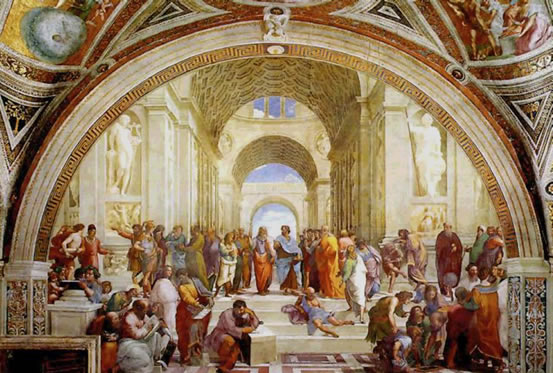
TEMAS DE DEBATE2: ¿CONOCES LA LITERATURA GRIEGA EN MATERIA DE FILOSOFÍA? ¿QUÉ TE GUSTAN MÁS LOS FILOSOFOS GRIEGOS, PLATÓN, SÓCRATES, EPICURO... O LA PARADÓGICA FILOSOFÍA ACTUAL? ¿CREES QUE LOS LIBROS ABUSAN DE LAS PARADOJAS? ¿LOS ANTIGUOS ESTÍMULOS A PENSAR QUE OPINAS? Una paradoja (del lat. paradoxus, y este del gr. παράδοξος) es una idea extraña, opuesta a lo que se considera verdadero o a la opinión general.[1] En otras palabras, es una proposición en apariencia verdadera que conlleva a una contradicción lógica o a una situación que infringe el sentido común. En retórica, es una figura de pensamiento que consiste en emplear expresiones o frases que envuelven contradicción. La paradoja es un poderoso estímulo para la reflexión y así mismo los filósofos a menudo se sirven de las paradojas para revelar la complejidad de la realidad. La paradoja también permite demostrar las limitaciones de las herramientas de la mente humana. Así, la identificación de paradojas basadas en conceptos que a simple vista parecen simples y razonables ha impulsado importantes avances en la ciencia, la filosofía y las matemáticas.

Paradoja

De Wikipedia, la enciclopedia libre

Una paradoja (del lat. paradoxus, y este del gr. παράδοξος) es una idea extraña, opuesta a lo que se considera verdadero o a la opinión general.[1] En otras palabras, es una proposición en apariencia verdadera que conlleva a una contradicción lógica o a una situación que infringe el sentido común. En retórica, es una figura de pensamiento que consiste en emplear expresiones o frases que envuelven contradicción.

La paradoja es un poderoso estímulo para la reflexión y así mismo los filósofos a menudo se sirven de las paradojas para revelar la complejidad de la realidad. La paradoja también permite demostrar las limitaciones de las herramientas de la mente humana. Así, la identificación de paradojas basadas en conceptos que a simple vista parecen simples y razonables ha impulsado importantes avances en la ciencia, la filosofía y las matemáticas.

Contenido

[ocultar]

[editar] Introducción

El término deriva de la forma latina paradoxum, que es un préstamo del griego como paradoxon 'inesperado, increíble, singular' etimológicamente formado por la preposición para-, que significa "junto a" o "a parte de" más la raíz doxon 'opinión, buen juicio'. La paradoja del mentiroso y otras paradojas similares ya se estudiaron en la Edad Media, eran conocidas como insolubilia. Esta paradoja es uno de los primeros casos de paradoja autoreferente. De hecho, entre los temas recurrentes en las paradojas se encuentra la auto-referencia directa e indirecta, la infinitud, definiciones circulares y confusión de niveles de razonamiento, aunque no todas las paradojas son de tipo autorreferente.

En filosofía moral una paradoja juega un rol particularmente importante en debates sobre ética. Por ejemplo, una admonición ética a "amar a tu vecino" no solamente se encuentra en contraste, sino también en contradicción, con un vecino armado que intenta asesinarte: de ser exitoso, entonces, uno no es capaz de amarlo. Sin embargo, atacar o reprimir al vecino agresor no es generalmente considerado amar. Esto puede ser llamado un dilema ético. Otro ejemplo es el conflicto entre el mandato de no robar y la responsabilidad personal de alimentar a la familia, la cual, bajo determinadas circunstancias, no puede ser mantenida sin dinero robado.

No todas las paradojas son iguales. Por ejemplo, la paradoja del cumpleaños puede ser definida mejor como una sorpresa que como una contradicción lógica, mientras que la resolución de la paradoja de Curry es aún un tema importante de debate.

[editar] Tipos de paradojas

No todas las paradojas encajan con exactitud en una única categoría. Algunos ejemplos de paradojas son:

[editar] Según su veracidad y las condiciones que las forman

Algunas paradojas sólo parecen serlo, ya que lo que afirman es realmente cierto o falso, otras se contradicen a sí mismas, por lo que se consideran verdaderas paradojas, mientras que otras dependen de su interpretación para ser o no paradójica, como:

[editar] Paradojas verídicas

Son resultados que aparentan tal vez ser absurdos a pesar de ser demostrable su veracidad. A esta categoría pertenecen la mayor parte de las paradojas matemáticas.

  • Paradoja del cumpleaños: ¿Cuál es la probabilidad de que dos personas en una reunión cumplan años el mismo día?
  • Paradoja de Galileo: A pesar de que no todos los números son cuadrados perfectos, no hay más números que cuadrados perfectos.
  • Paradoja del hotel infinito: Un hotel de infinitas habitaciones puede aceptar más huéspedes, incluso si está lleno.
  • Paradoja de la banda esférica: No es una paradoja en sentido estricto, pero choca con nuestro sentido común debido a que tiene una solución que parece imposible.
  • Paradoja del mentiroso: "Esta frase es falsa". Si la frase es falsa, es falso que "Esta frase es falsa.", es decir, la frase es verdadera. Si en cambio la frase es verdadera, es cierto que "Esta frase es falsa.", es decir, la frase es falsa.

[editar] Antinomias

Artículo principal: Antinomia

Son paradojas que alcanzan un resultado que se autocontradice, aplicando correctamente modos aceptados de razonamiento. Muestran fallos en un modo de razón, axioma o definición previamente aceptados. Por ejemplo, la Paradoja de Grelling-Nelson señala problemas genuinos en nuestro modo de entender las ideas de verdad y descripción. Muchos de ellos son casos específicos, o adaptaciones, de la Paradoja de Russell.

[editar] Antinomias de definición

Estas paradojas se basan en definiciones ambiguas, sin las cuales no alcanzan una contradicción. Este tipo de paradojas constituye un recurso literario, en cuyo empleo se ha destacado el escritor inglés G. K. Chesterton, a quién se llamó el "príncipe de las paradojas". Sirviéndose de los múltiples sentidos de las palabras, buscaba marcar contrastes que llamaran la atención sobre alguna cuestión comúnmente poco considerada. Estas paradojas, como en su libro "Las paradojas de Mr. Pond" (1936), se resuelven en el transcurso de los relatos al clarificar un sentido o añadir alguna información clave.

  • Paradoja sorites: ¿En qué momento un montón deja de serlo cuando se quitan granos de arena?
  • Paradoja de Teseo: Cuando se han reemplazado todas las partes de un barco, ¿sigue siendo el mismo barco?
  • Paradoja de Boixnet: Pienso, luego existo, mas cuando no pienso, ¿no existo?
  • Ejemplos de Paradoja en Chesterton: "Era un extranjero muy deseable, y a pesar de eso no lo deportaron". "Una vez conocí a dos hombres que estaban tan completamente de acuerdo que, lógicamente, uno mató al otro".

[editar] Paradojas condicionales

Sólo son paradójicas si se hacen ciertas suposiciones. Algunas de ellas muestran que esas suposiciones son falsas o incompletas.

[editar] Según el área del conocimiento al que pertenecen

Todas las paradojas se consideran relacionadas con la lógica, que antiguamente se consideraba parte de la filosofía, pero que ahora se ha formalizado y se ha incluido como una parte importante de la matemática. A pesar de ello, muchas paradojas han ayudado entender y avanzar algunas áreas concretas del conocimiento.

[editar] Paradojas en Matemática / Lógica

[editar] Paradojas sobre la probabilidad y la estadística
  • Paradoja del cumpleaños: ¿Cuál es la probabilidad de que dos personas en una reunión cumplan años el mismo día?
  • Paradoja de Simpson: Al agregar datos, podemos encontrar relaciones engañosas.
  • Paradoja de Arrow: No puedes tener todas las ventajas de un sistema de votación ideal al mismo tiempo.
  • Problema de Monty Hall: Y tras la puerta número dos... (¿Por qué la probabilidad no es intuitiva?)
  • Paradoja de San Petersburgo: Cómo no merece la pena arriesgar mucho para ganar un premio infinito.
  • Fenómeno Will Rogers: Sobre el concepto matemático de la media, trata sobre la media o mediana de dos conjuntos cuando uno de sus valores es intercambiado entre ellos, dando lugar a un resultado aparentemente paradójico - Por ejemplo: Si se moviera un artículo de una Wikipedia a otra, que aumentara el número medio de entradas en ambas wikipedias.
[editar] Paradojas sobre lógica

A pesar de que todas las paradojas se consideran relacionadas con la lógica, hay algunas que afectan directamente a su bases y postulados tradicionales.

Las paradojas más importantes relacionadas directamente con el área de la lógica son las antinomias, como la paradoja de Russell, que muestran la inconsistencia de las matemáticas tradicionales. A pesar de ello, existen paradojas que no se autocontradicen y que han ayudado a avanzar en conceptos como demostración y verdad.

[editar] Paradojas sobre el infinito

El concepto matemático de infinito, al ser contrario a la intuición, ha generado muchas paradojas desde que fue formulado.

  • Paradoja de Galileo: A pesar de que no todos los números son números cuadrados, no hay más números que números cuadrados.
  • Paradoja del hotel infinito: Un hotel de infinitas habitaciones puede aceptar más huéspedes, incluso si está lleno.
  • Conjunto de Cantor: Cómo quitar elementos de un conjunto y que siga teniendo el mismo tamaño.
  • Cuerno de Gabriel (o Trompeta de Torricelli): ¿Cómo puede ser necesaria una superficie infinita para contener un volumen finito?
  • Paradojas de Zenón. Mediante el concepto de división al infinito, Zenón trató de demostrar que el movimiento no puede existir, confirmando así la filosofía de su maestro, Parménides. Las más conocidas son la «dicotomía» y la paradoja de «Aquiles y la tortuga».

[editar] Paradojas en Física

Nota: Richard Feynman en sus libros Lectures on Physics, aclara que en la Física realmente no existen las paradojas, sino que las paradojas físicas hay siempre una mala interpretación de alguno o ambos razonamientos que componen la paradoja. Esto no es necesariamente válido en otras disciplinas donde las paradojas reales pueden existir.

  • Paradoja de Bell
  • Paradoja de Olbers: ¿Por qué, si hay infinitas estrellas, el cielo es negro? Olberts calculó que la luminosidad del cielo correspondería a una temperatura del orden de los 5.500 °C, que, de hecho, no se observa. Actualmente se sabe que la luminosidad calculada por Olberts no llega a ser tal por el importante corrimiento al rojo de las fuentes de luz más alejadas, hecho que la teoría más aceptada atribuye al alejamiento de las galaxias o expansión del universo. Además se oponen la edad finita del universo, sus cambios notables durante su historia y que la cantidad de galaxias no es infinita. La paradoja proviene de un tiempo en el que no se conocían las galaxias y tendía a creerse que el universo era infinito y estático, por lo que también era plausible que hubiera infinitas estrellas.[2]
  • Paradoja de Maxwell o Demonio de Maxwell: Una aparente paradoja clásica de la termodinámica.
  • Paradoja de los gemelos: Cuando uno de los hermanos regresa de un viaje a velocidades cercanas a las de la luz descubre que es mucho más joven que su hermano.
  • Paradoja de Einstein-Podolsky-Rosen: Una paradoja sobre la naturaleza de la mecánica cuántica propuesta por estos tres físicos.
  • Paradoja de Fermi: Si el Universo estuviera poblado por civilizaciones avanzadas tecnológicamente, ¿dónde están?
  • El experimento de Young. Una paradoja cuántica en su versión electrón a electrón. En el experimento de Young se pueden hacer pasar electrones por una doble rendija uno a uno de manera corpuscular, como si fueran partículas, obteniéndose sin embargo una figura de interferencias.
  • Paradoja de Schrödinger
  • Paradoja de D'Alembert: Relacionada con la resistencia de los cuerpos ante fluidos viscosos y no viscosos, en Mecánica de Fluidos.
  • Paradoja del lingote de plata: Es imposible la duplicación exacta de la materia y todos sus estados cuánticos, por tanto son imposibles los viajes en el tiempo.

[editar] Paradojas en Economía

  • Paradoja de Abilene: Un grupo de personas frecuentemente toman decisiones contra sus propios intereses.
  • Paradoja del ahorro: Si todo el mundo trata de ahorrar durante una recesión, la demanda agregada caerá y los ahorros totales de la población serán más bajos.
  • Paradoja de Allais: En cierto tipo de apuestas, aun cuando la gente prefiere la certeza a la incertidumbre, si se plantea de manera diferente el problema, preferirán la incertidumbre que antes rechazaban.
  • Paradoja de Bertrand: Dos jugadores que alcanzan el mismo equilibrio de Nash se encuentran cada uno sin ningún beneficio.
  • Paradoja del pájaro en el arbusto: ¿Por qué las personas evitan el riesgo?
  • Paradoja del valor (o paradoja del diamante y el agua): ¿Por qué es más barata el agua que los diamantes, siendo que los humanos necesitan agua, y no diamantes, para sobrevivir?
  • Paradoja de Edgeworth: Con restricciones de capacidad, no puede haber ningún equilibrio.
  • Paradoja de Ellsberg: En cierto tipo de apuestas, aun cuando sean lógicamente equivalentes las personas apostar por algo que contra algo, es decir, obtienen mayor utilidad apostando a favor.
  • Paradoja de Gibson: ¿Por qué están los tipos de interés y los precios positivamente correlacionados?
  • Paradoja de Giffen: ¿Puede ser que los pobres coman más pan aunque suba su precio?
  • Paradoja de Jevons: Un incremento en la eficiencia conlleva un mayor incremento en la demanda.
  • Paradoja de Leontief: Algunos países exportan bienes intensivos en trabajo e importan bienes intensivos en capital, en contradicción con la teoría de Heckscher-Ohlin.
  • Paradoja de Parrondo: Es posible jugar en dos juegos que ocasionan pérdidas alternativamente para acabar ganando.
  • Paradoja de San Petersburgo: Cómo no merece la pena arriesgar mucho para ganar un premio infinito
  • Paradoja del votante: Cuantas más personas participen en una elección por votación, menor será el beneficio de ir a votar, al ser cada votante menos decisivo.

[editar] Otras paradojas

  • Sueño paradójico o paradoja del sueño MOR: Durante esta etapa del sueño (la tercera), el individuo tiene los sueños más intensos, y sin embargo es la etapa del sueño en la que el individuo es más receptor a los sonidos y otros estímulos externos.
  • Paradoja de los invertebrados primeros: Cómo la mayoría de los invertebrados, que no tiene ningún tipo de esqueleto, tiene algún tipo de simetría, si para tener simetría se necesita forma, algo que sólo da el esqueleto? [cita requerida]
  • Paradoja de la fuerza irresistible: Sabiendo que un cuerpo inamovible es un cuerpo al que ninguna fuerza, por fuerte que sea, es capaz de mover, y teniendo en cuenta que una fuerza irresistible es una fuerza a la que ningún cuerpo puede resistirse: ¿Qué sucede cuando un cuerpo inamovible se encuentra con una fuerza irresistible?. Esta paradoja fue propuesta por Isaac Asimov en su libro "100 preguntas básicas sobre la ciencia". La respuesta que el propio Asimov daba era que estos dos fenómenos no pueden darse a la vez en un mismo universo, a pesar de que el mismo cuestionaba la validez de su hipótesis, ya que este hecho no era demostrable, puesto que no se conoce ninguna fuerza irresistible o cuerpo inamovible, y por tanto no han podido observarse los efectos de estos hipotéticos fenómenos.
  • Paradoja del futuro: Puedes modificar tu futuro, pero el futuro se anticipa a tu modificación.
  • Paradoja del abogado: Un profesor hace un trato con su alumno de derecho: - Si usted gana su primer juicio, me paga las lecciones. Si lo pierde, no me debe nada. Resulta que el nuevo abogado no participó en ningún juicio con tal de no arriesgarse a pagar. Hasta que un día fue demandado por su profesor. En su juicio, él se defendió a sí mismo. Si el nuevo abogado ganara el juicio, por ley no debería pagar a su tutor, pero por contrato debería hacerlo. Si perdiera el juicio, le tocaría pagar por orden del juez, pero por contrato no debería hacerlo.[3]

[editar] Las paradojas y la abstracción

Es imprescindible un correcto uso de las capacidades de abstracción de la mente para lograr una adecuada comprensión de las paradojas antes mencionadas. Como tales, su objetivo no es lograr que el individuo aporte ideas imaginativas y fabulosas para su resolución. Dentro del ámbito general de las personas, sin pretensiones científicas o filosóficas, una adecuada interpretación de las paradojas y sus explicaciones contribuye al desarrollo del análisis, el procesamiento de información abstracta y ocasionalmente el aumento del coeficiente intelectual.

[editar] Véase también

[editar] Notas y referencias

  1. «paradoja», Diccionario de la lengua española (vigésima segunda edición), Real Academia Española, 2001, http://buscon.rae.es/draeI/SrvltConsulta?TIPO_BUS=3&LEMA=paradoja 
  2. Bondi, Hermann (sept. 1980), Capítulo II: ¿Por qué está oscuro de noche?, El Cosmos, Editorial Universitaria de Buenos Aires, Colección Ciencia Joven, pp. 26-34. The Universe at Large, Doubleday & Company, Inc., Nueva York, 1960.
  3. Paradoja del Abogado

[editar] Bibliografía

  • Quine, W. V. Paradox (1962). Scientific American, abril de 1962, pp. 84–96.
  • Michael Clarke. El gran libro de las paradojas: De la A a la Z. Londres. Routledge, 2002.
  • Martin Gardner. ¡Ajá! Paradojas que hacen pensar. (2009)

[editar] Enlaces externos

TEMAS DE DEBATE2: ¿CUÁL SERÍA PARA TI UNA RELIGIÓN IDEAL?

Pregunta resuelta

Ver otra »

¿cual seria una religion ideal y cual no? ?

si te tocara elegir alguna del montón sin decir ninguna cual dirías ideal y cual no?
  • hace 2 años
hhhh by hhhh Miembro desde el 29 septiembre 2008 Puntos totales: 123 (Nivel 1)

Mejor respuesta - Elegida por el usuario que pregunta

Buenas noches antes que nada.
En mi opinión enteramente personal,la religión es una forma mas de nuestra sociedad de "clasificar a la gente".

Yo digo hoy en día,con mis pensamientos totalmente fundamentados,que NO tengo NI deseo ser parte de ningún grupo religioso,PERO respeto las decisiones de los demás.

Por ejemplo:

1- Creo en Dios
2- No creo del todo en la Biblia
3- Creo que Jesús fue el hijo de Dios hecho hombre.
4- Creo en la libertad sexual de cada individuo siempre y cuando No le haga ningún daño a nadie.
5- Estoy totalmente a favor de los anticonceptivos.
6- Estoy en contra de la iglesia,curas,sacerdotes,etc.Ya que utilizan la imagen de Dios para enriquecerse así mismos.
7- No creo en "santos" ya que "no adoraras falsas figuras".
8- Creo en la reencarnación.
9- Me es ilógico pensar únicamente en la teoría de la "creación".
10- No creo en el infierno.

Solo es mi opinión,espero no haber ofendido a nadie.
Muchos saludos!
  • hace 2 años
Puntuación del usuario que pregunta: 3 de 5 Comentario de la persona que pregunta: no cre que ofendas

Todavía no hay comentarios en esta pregunta.

Otras respuestas (8)

Ver: Todas las respuestas De antiguas a nuevas De nuevas a antiguas De mayor a menor valoración

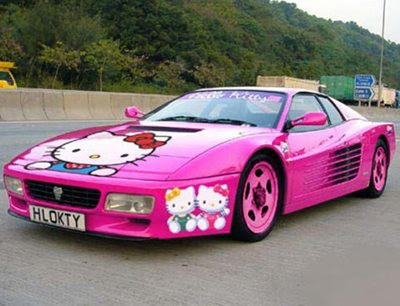
TEMAS DE DEBATE2: ¿QUÉ OPINA DEL MUNDO DE COLOR DE ROSA DE MILES DE NIÑOS DE LOS PAÍSES DESARROLLADOS? ¿CÓMO MOSTRARLES EL MUNDO A LOS NIÑOS? ¿QUÉ EDUCACIÓN DEBEN RECIBIR? MARKETING, MODA, COSMÉTICA Y LUJO PARA NUESTRO NIÑOS. ¿ESTÁ DE ACUERDO CON TODO ESTO? ¿QUÉ OPINA? ¿CUÁL ES LA CARA MÁS CRUDA DE NUESTRA REALIDAD? ¿CRIAR A LOS NIÑOS EN EL REALISMO, PERO CÓMO? ¿HABLARLES DEL MUNDO LABORAL, DEL TRABAJO, O TAL VEZ DE OTROS TEMAS COMO LA "CELULITIS"? ANTE TODO TRATAR DE HUÍR DE PIJOS Y SNOBS, GENTE QUE GASTA MÁS DE LO QUE GANA CADA DÍA. ¿PERO QUÉ DECIRLES, HABLARLES DE LO MÁS ÁSPERO DE LA VIDA O SIMPLEMENTE QUE SEAN ORDENADITOS, METICULOSOS Y TRABAJADORES, TAMBIÉN HONRADOS Y SERIOS? ¿CUÁL ES SU OPINIÓN? ¿PROVIENE USTED DE ALGUNA SUPERPOTENCIA O PAÍS DESARROLLADO?

El mundo de color de rosa

El sábado por la tarde salimos a tomar un café con mi madre. Sentadas en una terraza, intentábamos despejar su cabeza que a veces viene y a veces va con nuestra conversación y con el ajetreo de la gente que, como nosotras, distraían la tarde del sábado de la mejor manera. De entre tales gentes, se acercó una "amiga de calle" como ella las llama (y me pregunto yo, que cómo serán sus "conocidas"...) a saludarla. Tras las prerrogativas de rigor (qué tal estamos, dónde tienes a tu marido -mi padre-, hace buena tarde, pero tú estás casada, ¿verdad?, ah! que tienes dos críos, ¿que eres abuela ¡a los 44!?¡pues yo a los 38! ...), la "amiga de calle" le explicó que estaba muy contenta porque, con los tiempos que corren, la habían hecho fija y le habían subido el sueldo 100 euros.

Y para qué se me ocurriría a mí, pasar de ser mera espectadora elucubrando sobre si mi madre sabía con quien estaba hablando o no, a partícipe de la conversación con un "mira, pues que me alegro. A mí me los quitan, cosa que alegra a mucha gente porque la mayoría se alegra de que los funcionarios paguemos (si fuese así...) los platos rotos, así que si alguien los cobra de más y está contento...". La amigadecalle pasó a ser, de repente, actitud, poderío y discurso, tertulianadebar. ¡Qué miedo! Como si de una deuda que tuviésemos (¿los funcionarios?¿mi madre?¿el aburrimiento?) para con ella empezó a despotricar contra ZP y su gobierno. ¡Pero si yo sólo quería echar un cable a mi madre, a quien creía ajena a la persona interlocutora amigadecalle! A esas alturas de coloquio, la Mía, a quien mi madre ya había presentado como "una compañera de trabajo de mi hija", ya no sólo me daba con el pie por debajo de la mesa, sino que, simplemente, me miraba ojiplática... El clímax de la oradora llegó con un "¡claro, como que le votan tortilleras, maricones y extranjeros!¡qué puedes esperar! ¡Y que conste que no soy racista, pero, encima, claro, no tienen que hacer la declaración de la renta!"... Algún timbre interior debió sonar porque, a partir de ese momento, la conversación cayó en picado, calzó sus gafas de sol oscuras que había desmontado para que su discurso fundiera el ojiplatismo que la observaba, y siguió con un "bueno, pues me voy a ver si me doy una vuelta, para despejar"...

Y allí quedamos dos tortilleras funcionarias y una futura usufructuaria de la ley de dependencia cariacontecidas y esperando un refrán de los de mi madre, que no llegó, que nos despertara del chaparrón en forma de abuela joven, trabajadora en una granja, pepera y con aires de Aída, del tipo "¡Por la libertad se vive en los pueblos!". Pero no llegó. A esas alturas de la conversación con su amigadecalle, su atención pasó a otra cosa y ya estaba demasiado liada con ese Otro que vive con ella y no sabemos todavía quién es. Ni a ella le importaba lo que su amigadecalle podía explicar ni a su amigadecalle le interesaba lo que mi madre podía contar. Y yo pensé que no debería haberme dejado en casa las gafas de cristales rosa : con ellas puestas el mundo parece más amable aún viéndolas venir...


Obtenido de http://yur.lacoctelera.net/post/2010/05/25/el-mundo-color-rosa

NOTICIAS DE HOY: COMENTARIOS. Masacre de Bagua: Ultimas imágenes de policías asesinados. Crimenes sexuales de la religion. ¿ESTÁ A FAVOR DE LA RETRANSMISIÓN DE DESGRACIAS POR LA TELEVISIÓN?

Diccionario de la lengua española © 2005 Espasa-Calpe:

desgracia

  1. f. Percance, adversidad:
    estuvo a su lado en la desgracia.
  2. Acontecimiento funesto:
    se quedó sin trabajo, ¡qué desgracia!
  3. Pérdida de consideración, favor o cariño.
    ♦ Se usa más en la expresión caer en desgracia: tras la revolución, su familia cayó en desgracia.
  4. desgracias personales Víctimas humanas de un accidente:
    no se han producido desgracias personales en la explosión.
  5. por desgracia loc. adv. Con desgracia, desgraciadamente:
    por desgracia, aún no hemos podido resolver todos los problemas.


Diccionario de la lengua española © 2005 Espasa-Calpe:

desgraciar

  1. tr. Dañar o impedir el desarrollo de una persona o cosa. También prnl.:
    se desgració la cosecha.
  2. Quitar a algo la gracia, estropear su aspecto:
    con esos volantes ha terminado de desgraciar la falda.
  3. col. Hacer daño, herir:
    ¡que alguien los separe, que se van a desgraciar!
    ♦ Se conj. como cambiar.


Preguntas en los foros con la(s) palabra(s) 'desgracia' en el título:


'desgracia' también aparece en estas entradas

abatir - achucuyar - acontecer - adversidad - agüitarse - arrastrar - buitre - mofarse - calamidad - compadecer - compañero - condolerse - convalecer - dar - derrotado - desastre - desdicha - desgraciado - desventura - digerir - doler - encarnizamiento - epidemia - estoico - fatalidad - funesto - golpe - hermanar - infortunio - mal - malandanza - malaventura - miseria - naufragio - presentir - quejarse - racha - refocilar - resentimiento - rictus - sal - tocar - tormenta - través
Diccionario de sinónimos y antónimos © 2005 Espasa-Calpe:

desgracia

  • adversidad, infortunio, calamidad, desdicha, desastre, desventura, fatalidad, tristeza
    • Antónimos: fortuna, suerte
  •  
  • accidente, avería, daño, percance, contratiempo, catástrofe


Diccionario de sinónimos y antónimos © 2005 Espasa-Calpe:

desgraciar

  • malograr, lastimar, dañar, perjudicar, estropear, frustrar, abortar, fastidiar, accidentar
  • desagradar, disgustar, enfadar


'desgracia' también aparece en estas entradas

desgracia.

(De des- y gracia).


1. f. Suerte adversa. Mi amigo tiene desgracia en cuanto emprende.

2. f. Suceso adverso o funesto.

3. f. Motivo de aflicción debido a un acontecimiento contrario a lo que convenía o se deseaba.

4. f. Pérdida de gracia, favor, consideración o cariño. Ha caído en desgracia.

5. f. Desagrado, desabrimiento y aspereza en la condición o en el trato.

6. f. Falta de gracia o de maña.

7. f. ant. Menoscabo en la salud.

correr alguien con ~.

1. loc. verb. No tener fortuna en lo que intenta.

hacerse sin ~ algo.

1. loc. verb. Concluirse como se deseaba, sin obstáculo, contradicción ni perjuicio.


Real Academia Española © Todos los derechos reservados