Blogia

petalofucsia

NOTICIAS: NOTICIAS QUE ME GUSTAN Y ME ATRAEN O ME CAUSAN SIMPATÍA. Los Pitt-Jolie, de vacaciones navideñas en África. Brad Pitt (Shawnee, estado de Oklahoma, 18 de diciembre de 1963) es un actor, productor y filántropo estadounidense. Angelina Jolie Voight (n. Los Ángeles, California, Estados Unidos; 4 de junio de 1975) es una actriz de cine y televisión, modelo, filántropa, socialité y embajadora de buena voluntad de ACNUR estadounidense. A lo largo de su carrera, Jolie ha recibido múltiples reconocimientos por sus logros actorales, entre ellos un premio Óscar y tres Globos de Oro.

Los Pitt-Jolie, de vacaciones navideñas en África


Los Pitt-Jolie, de vacaciones navideñas en África

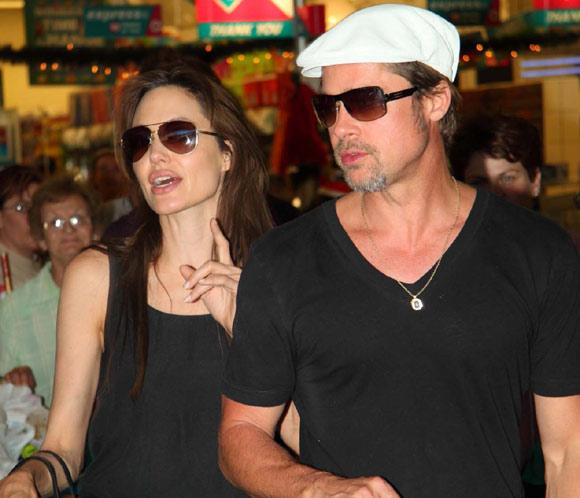
Ya lo avisó Angelina Jolie la semana pasada en un programa de radio: “Estas navidades viajaremos con los niños a alguna parte del mundo elegida al azar. Toda una aventura porque es eso lo que más nos gusta hacer”, aseguró la guapa actriz y el destino elegido para celebrar tan señaladas fechas no ha sido otro que Namibia, África. En esta imagen vemos a la pareja Pitt-Jolie, ambos vestidos de negro y con gafas de sol, realizando las últimas compras navideñas en un centro comercial. Sin duda, Namibia es uno de los lugares que mejores recuerdos trae a Brad y Angelina. Allí nació hace cuatro años su primera hija biológica, Shiloh Nouvel, y tras el buen trato que la actriz recibió del equipo médico donaron 300 mil dólares a dos hospitales públicos con el fin de mejorar sus salas de maternidad y otros 15 mil para una escuela y un centro comunitario que visitaron días antes del nacimiento de su hija.


Obtenido de http://www.hola.com/noticias-de-actualidad/26-12-2010/79202/

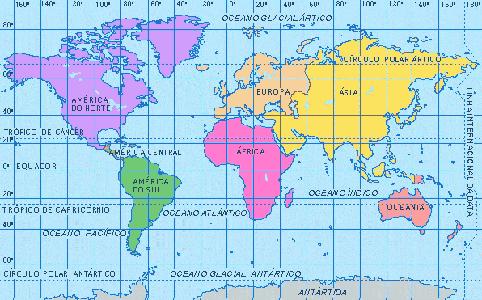
AQUÍ VEMOS LA UBICACIÓN DE ÁFRICA Y LA UBICACIÓN DE LA PRIMERA POTENCIA DEL MUNDO; LOS ESTADOS UNIDOS DE AMÉRICA, DE DONDE PROCEDE LA PAREJA ARTÍSTICA:

África es el tercer continente del mundo por extensión geográfica. Limita al norte con el Mar Mediterráneo, al oeste con el Océano Atlántico, al sur con la conjunción de los océanos Atlántico e Índico y al este con el Mar Rojo y el Océano Índico. Aunque posee una superficie total de 30.272.922 kilómetros cuadrados (621.600 en masa insular), la cual representa el 22% del total terrestre, la población es de mil millones de habitantes, menos del 16%. El continente se organiza en 53 países, siendo todos ellos miembros de la Unión Africana, con excepción de Marruecos.


SOBRE ÁFRICA EN:

http://es.wikipedia.org/wiki/%C3%81frica

HISTORIA15: CREO QUE EL LIBRO QUE SE ESCRIBIÓ EN EL CIRCLE OF LIFE, FUE EL "SUMATRA". Sumatra o Sumatera es una isla perteneciente a Indonesia. Es la sexta isla más grande del mundo, con aproximadamente 473.605 km².

Sumatra

De Wikipedia, la enciclopedia libre
Sumatra
Sumatra Topography.png
Topografía de Sumatra
Localización
PaísBandera de Indonesia Indonesia
ArchipiélagoIslas mayores de la Sonda
Ciudad más poblada
Provincias
Medan(2.392.922 año 2003)

Aceh, Bengkulu, Jambi (provincia), Lampung, Riau, Sumatra Occidental, Sumatra Meridional, Sumatra Septentrional
LocalizaciónSureste Asiático
Coordenadas0°00′N 102°00′E / 0, 102
Geografía
Superficie473.605 km²
Punto más alto3.805 msnm, Kerinci
Demografía
Población45.000.000 (2005)
Densidad96 hab./km²
Otros datos
Grupos étnicosAcehnese, batak, minangkabau, malayos

LocationSumatra.svg

Sumatra o Sumatera es una isla perteneciente a Indonesia. Es la sexta isla más grande del mundo, con aproximadamente 473.605 km².

Contenido

[ocultar]

[editar] Geografía

Lago Toba.

El eje de la isla va aproximadamente de noroeste a suroeste, cruzando el ecuador cerca del centro. El interior de la isla está dominado por dos regiones geográficas: las Montañas Barisan en el oeste y llanuras pantanosas en el este.

Al sureste está la Isla de Java, separada por el estrecho de la Sonda. Al norte está la península Malaya, separada por el estrecho de Malaca. Al este está Borneo, al otro lado del estrecho de Karimata. Al oeste de la isla está el océano Índico.

La espina dorsal de la isla es la cadena de las Montañas Barisan. La actividad volcánica de esta región la dota de tierra fértil y bellos paisajes, por ejemplo, los alrededores del lago Toba. También contiene depósitos de carbón y de oro.

Al este, grandes ríos llevan limo de las montañas formando la vasta tierra baja salpicada de charcas. A pesar de ser en su mayoría inadecuada para el cultivo, la zona es actualmente de gran importancia económica para Indonesia. Produce aceite "de encima del suelo y de debajo": el aceite de palma y el petróleo.

La mayor parte de Sumatra solía estar cubierta por selva tropical, hogar para especies como el orangután, el tapir, el rinoceronte de Sumatra y el tigre de Sumatra, y algunas plantas únicas, como la rafflesia. Desafortunadamente, el desarrollo económico junto con la corrupción y la tala ilegal han amenazado gravemente su existencia. Incluso ni las áreas de conservación se han salvado de la destrucción.

Véase también: Islas de Indonesia, Islas Riau, Rengat

[editar] Historia

Un antiguo nombre para Sumatra fue Swarna Dwipa, o Isla de Oro, aparentemente basado en el hecho de que minas de las tierras altas de Sumatra exportaban oro desde épocas bastante tempranas.

Con su localización en la ruta comercial entre India y China, florecieron varias villas comerciales, especialmente en la costa este, y fueron influenciadas por las religiones indias. La más notable de ellas es la Srivijaya, una monarquía budista con centro en lo que ahora es Palembang. Dominando la región mediante el comercio y la conquista durante los siglos del VII al IX, el reino ayudó a extender la cultura malaya por todo Sumatra, la península Malaya y el oeste de Borneo. El imperio es talasocrático, sin embargo, significando que no extendía su influencia muy lejos de la zona costera.

La influencia de Srivijaya se desvaneció en el siglo XI. La isla fue sujeta a conquista desde los reinos javaneses, primero Singhasari y después Majapahit. Al mismo tiempo, el islam viajó hasta Sumatra, extendiéndose a través de contactos con comerciantes árabes e indios.

Al final del siglo XIII, el monarca del reino de Samudra (ahora en Aceh) se había convertido al islam. Ibn Battuta, que visitó el reino durante su viaje, pronunció el nombre del reino "Sumatra", de ahí el nombre de la isla. Samudra fue sucedido por el poderoso sultanato de Aceh, que sobrevivió hasta el siglo XX. Con la llegada de los holandeses, los muchos estados principescos de Sumatra cayeron gradualmente bajo su control. Aceh en el norte fue el principal obstáculo, pues los holandeses se vieron involucrados en la larga, costosa y penosa guerra de Aceh (1869-1905).

[editar] Administración

Sumatra.

Las provincias dentro de la isla Sumatra (o las islas menores cercanas) son:

[editar] Demografía

Sumatra no está muy densamente poblada (45 millones de personas en un área mayor que Alemania). Las regiones más populosas incluyen la mayoría de Sumatra Utara y la tierra alta central en Sumatra Barat, mientras que los mayores centros urbanos son Medan y Palembang.

La población es de origen malayo compuesta de muchas tribus diferentes, que hablan 52 lenguajes diferentes. La mayoría de esos grupos, sin embargo, comparten tradiciones muy similares y las diferentes lenguas están muy relacionadas. La población malayoparlante domina la costa este, mientras que la población del sur y del interior central habla lenguajes relacionados con el malayo, tales como el Lampung y el Minangkabau. La tierra alta de Sumatra del norte está habitada por los bataks, mientras que la costa norte está dominada por los acehs. Minorías étnicas chinas están presentes también en los centros urbanos.

Una mayoría de la población en Sumatra son musulmanes. La mayoría de los bataks del centro son cristianos protestantes - la religión fue extendida por los holandeses. El resto sigue el hinduismo, budismo, catolicismo y creencias tradicionales chinas.

[editar] Flora y fauna

[editar] Enlace externo

Breve historia de la región de Minangkabau (Oeste de Sumatra)

HISTORIA15: ¿ALGUIEN SE ACUERDA DEL CIRCLE OF LIFE?

Circle of Life

From Wikipedia, the free encyclopedia
Jump to: navigation, search
"Circle of Life"
Single by Elton John
from the album The Lion King soundtrack
Released1994
FormatCD single
Recorded1993
Santa Monica, California
April 1994
BOP Recording Studios
Mmabatho, South Africa[1]
GenrePop/Rock/Soundtrack
Length4:51
Writer(s)Elton John (music)
Tim Rice (lyrics)
ProducerHans Zimmer
Mark Mancina
Jay Rifkin
Chris Thomas
Elton John singles chronology
"Can You Feel the Love Tonight"
(1994)
"Circle of Life"
(1994)
"Believe"
(1995)
Music sample
Play sound
Music sample
Play sound
 

"Circle of Life" is a song from Disney's 1994 animated film The Lion King, composed by Elton John with lyrics by Tim Rice. It was sung by Carmen Twillie (female vocals) and Lebo M (opening isiZulu vocals) in the film as the opening song, and Elton John also sang a pop version with the London Community Gospel Choir which was included in the film's soundtrack and made into a music video. It was nominated for the Academy Award for Best Song in 1995 together with two other songs from The Lion King: "Can You Feel the Love Tonight" and "Hakuna Matata". "Can You Feel the Love Tonight" won the award. The song reached #11 in the UK and #18 in the US.

The song is also featured frequently in attractions that include The Lion King at Disney theme parks, such as parades.

Contents

[hide]
//

[edit] The Lion King

In The Lion King, the sun rises as the opening chant of the song calls out, with various animals all seemingly becoming alert to a single thing. Animals are shown traveling through various environments. As a giraffe and her calf step out into the sunlight, the first verse of the song begins. The giraffe notice a herd of animals in the distance and run over to join them.

As the first verse ends and the chorus begins, the camera pans upwards over a herd of animals to show Pride Rock. Zazu flies in, lands, and bows in front of King Mufasa.

Rafiki arrives and Sarabi is shown holding a young Simba. Rafiki anoints and blesses the cub before lifting him up and displaying him to the animals gathered below Pride Rock. The animals leap, stomp, and cry out in celebration. Towards the end of the song, the gathered animals are shown bowing. The camera slowly zooms out from Pride Rock, and on the final drumbeat the title card - The Lion King in red text over a black background - is shown.

The song is reprised at the end of the film by a chorus.

[edit] The Lion King musical
Rafiki lifts Simba into the air with Mufasa and Sarabi looking on, in the original London version of the Lion King musical.

In the musical version of The Lion King the opening chant is sung by Rafiki with two antelope and the chorus engaging in call and response. The length of the opening before the first verse varies in length between companies and Rafiki and one of the antelope ad-lib towards the end of the opening. As Rafiki sings, the sun rises behind her and two giraffes and a cheetah walk out onto the stage, shortly followed by a zebra.

As the first verse gets underway, white birds, antelope, and ostriches appear. Two elephants, more white birds, rhinoceroses and wildebeest walk up the aisle between the lower level of seats and up onto the stage. Zazu then appears as a kite swung around on a pole by his puppeteer.

Mufasa and Sarabi appear with their son Simba on Pride Rock as the two antelopes engage in more call and response. Rafiki goes over to them and takes the cub Simba, lifting him into the air as the song draws to a close. The animals below turn to face Pride Rock and bow as Simba is presented.

As in the film, the song is reprised at the end of the production by the chorus.

[edit] Circle of Stars version

"Circle of Life"
Single by Disney Channel Circle of Stars
from the album DisneyMania 2
ReleasedOctober 7, 2003
FormatDigital download, CD single
Recorded2003
GenrePop
LabelWalt Disney Records

The song was re-recorded in 2003 by the Disney Channel Circle of Stars, a group of actors and actresses who have appeared in Disney Channel television series and original movies. The line-up was significantly different when their next re-recording, "A Dream Is a Wish Your Heart Makes," was released two years later.

Performers
StarDisney Appearances
Orlando BrownThat's So Raven
Proud Family
Christy Carlson RomanoEven Stevens
Kim Possible
Cadet Kelly
Kyla PrattProud Family
Hilary DuffLizzie McGuire
Cadet Kelly
Tahj MowrySmart Guy
Kim Possible
Raven-SymonéThat's So Raven
Kim Possible
The Cheetah Girls
A.J. TrauthEven Stevens
Anneliese van der PolThat's So Raven

[edit] Popular culture

Due to the film's impact on popular culture, the song "Circle of Life" is often referenced in other media.

The concept of a Circle of Life is also alluded to in The Land Before Time.

The opening to the Lion King was parodied in the 90s cartoon Animaniacs in which the theme of "Circle Of Life" was parodied with "Surprises In life" vocals by Jim Cummings and Cree Summer as lead singer, the whole parody is known as "The Tiger Prince" (despite Tigers don't live in Africa). The short song parody took place similar to "Pride Rock" in the film, the character Yakko Warner took the role as Rafiki, and when the time came to hold up the cub, he accidentally dropped it and replies with "Ooh...I thought they were supposed to land on their feet!". This parody has become a favourite among the fans.

The Tenth Doctor finds himself unconsciously quoting "Circle of Life" during a confrontation with the Sycorax leader in the season two premiere of the revived Doctor Who series, The Christmas Invasion.

In an episode of the television series The Critic, there was a song that parodied "The Circle of Life" involving New York City pests and the opening vocals of Hepatitis.

It is currently the main theme song for Disney's Animal Kingdom at the Walt Disney World Resort.

In Channel 4 comedy Green Wing, the character Sue White sings the song after giving birth to a lion herself, parodying the opening sequence.

Disney's Epcot park currently features a cinema-type film called "The Circle of Life" with three of the characters at the Walt Disney World Resort as well.

This song was also sung by American R&B singer Jennifer Hudson during her time as a contestant on season 3 of American Idol. After the performance, she was praised by the judges, fans, and critics.[citation needed]

On The Daily Show the song and segment was used with Barack Obama on the skit Barack Obama: He Completes Us.

YouTube celebrity ItsJustSomeRandomGuy had, on a video commenting on Disney's buyout of Marvel Comics, a parody of the "Circle of Life" scene starring the Marvel superheroes (Spider-Man wearing Mickey Mouse ears was Simba), saying Marvel's essence would be kept besides the "contract for life".

The song was covered in The X Factor (UK series 6) by contestant Joe McElderry and in The X Factor (UK series 7) by Wagner Fiuza-Carrilho.

In 2009, the song was used in a Modern Family episode.

In "Shrek the Musical", the song is parodied during "Travel Song".

During stand-up comedian Ross Noble's Sonic Waffle DVD Ross - pretending to be Elton John - sings the song while fighting to keep angry midgets at bay.

Japanese boy band Da Pump recorded a cover version of the song.

In 2010, Helene Fischer, a German singer, performed the song on her "So wie ich bin"-Tour. She was supported by actors from the "Lion King" Musical (Hamburg).

[edit] Chart performances

In addition to top 20 successes in the US and UK, the song also charted across the globe in countries such as Austria where it reached #30, New Zealand where it reached #13 and the Netherlands where it reached #7. The song performed particularly well in countries such as Sweden and Switzerland where it peaked at #3 and #2 respectively.[2]

[edit] References

FUTURISMO2: ¿LES GUSTAN A LOS ANIMALES LOS COLLARES O LLEVAR COLLAR? ¿QUÉ TIPO DE COLLAR? ¿ARTÍSTICO, SERIO, DE PIEL, DE TELA...?

Collar (animal)

From Wikipedia, the free encyclopedia
Jump to: navigation, search
Tie up collar correctly used with a headcollar on a stallion
Nylon quick-release buckle collar on a dog with identification and medical tags.
Wooden neck cradle

An animal collar is a device that attached to the neck of an animal to allow it to be harnessed, tied up or for various other reasons.

  • Pet collar. A piece of material put around the neck of certain pet animals, such as dogs or cats, for control, identification, or other purposes. Identification tags and medical information is often placed on collars. Collars are also useful for controlling the animal, as they provide a handle for grabbing or means of leading. Similar collars are used with non-pet animals such as zoo animals and domestic animals including calves, goats and sheep etc. Pet collars can be made of leather, nylon or metal. Metal collars are normally used for larger and dangerous dogs. They can come with traditional or quick-release buckles. Collars are sometimes used for fashion purposes. Pet collars also include collars especially designed for raccoons, ferrets and other such pets.
  • Cat collar. Similar to dog collars, but often include a bell to warn fauna of the cat's presence. Collars used on cats are smaller and thinner. They can be made of leather, nylon or other types of materials. Some of the cat collars have a solution impregnated which is helpful in fighting against flea, tick and mosquitoes.
  • Anti-bark dog collar, or bark control collar. Produces a citronella spray or a high pitched sound in response to loud noise, to distract and deter a dog from barking. Bark control collars come in different designs and with various modalities to keep a dog quite. Other than citronella bark collars, there are the sonic or ultrasonic collars which also use vibration to stop a dog barking. These collars produce a very high resonance tone which cannot be heard by humans and which comes as a response to barking. Once a dog has worn the collar for a while, the sound or the vibration will cause it distress which will eventually lead to deterring it barking. Other bark control collars include devices that produce a mild electrical sensation whenever the dog barks. These types of collars must have a failsafe mechanism incorporated to make sure that the device is automatically turned off after a certain period of time. Many designs come with a combination of the bark collars mentioned above. Another type of bark control collar is the escalation one, a device that produces quiet sounds which keep increasing in intensity if the dog does not cease barking. They have proven to be more effective than the other types of bark control collars because the dog may get used to stop barking before the device produces sounds of high levels of output. However, the use of such collars is controversial. Many do not see these options as safe and viable, especially considering the electrical ones. Pet lovers criticize these devices, seeing in them a method of torture. As a result, it is recommended that all the other options such as training, trying to understand the communication or seeking professional advice are considered before choosing these bark control collars.
  • Training collar or shock collar. These (usually for dogs) use an electric shock to improve animal training, reinforce commands and eliminate any bad habits. It may be combined with an "invisible fence", a signal wire surrounding the dog's permitted area, the dog receiving a shock if it strays too near it.
  • Choke collars are also a type of training collars. They are made of different materials with high resistance such as metal or various composites. This type of collar is suitable for obedience training as it tightens around the neck of the dog if it goes further than the owner allows it to. [1] It is mainly used on dogs.
  • Insect collar or flea collar. Impregnated with chemicals that repel or kill external parasites. They are usually a supplementary collar, worn in addition to the conventional buckle collar on a dog. They are also used on horses, too. Flea collars' effectiveness is arguable. Although they are convenient because of their cost and of their accessibility as well as the comfort they provide for the pet, they only protect them from fleas that could be found around the neck. They are considered to be more effective in preventing infestation with external parasites rather than fighting against them. Flea collars are best used when a proper disinfestation has been performed, both indoor and outdoor. These collars are primarily worn by cats and dogs.
  • Pig hunting dog collar, This collar integrates a wide collar and a breastplate for pig dogs. They are made from multiple layers of extra tough fabric or leather to protect the vital carotid artery and jugular vein of pig hunting dogs should they be attacked.Some of the pig hunting dog collars come in the form of a full-body protection collar. These collars provide good protection for the dog's chest, neck and rib cage.[2]
  • Elizabethan collar. Shaped like a lamp shade to prevent an animal from licking something on their body, such as a wound.
  • Tie-up collar. Used for bulls and other cattle, these may be a chain (sometimes covered in plastic hose), or a collar of heavy leather or synthetic material fastened with a heavy duty buckle.
  • Animal tracking collar. Used for tracking animal migration, or to locate lost pets. In its simplest form contains a radio beacon to allow the location of the animal. More sophisticated devices may contain a GPS tracking unit to record the animal's track, other sensors to record water depth or other environmental information, and a mobile phone or other radio transmitter to report location and other data. May have a timed or remotely-controlled release device.
  • Horse collars.
    • Full collar or Horse Collar. Used for horses or other draught animals, this consists of a robustly constructed leather device stuffed with straw or other material, that sits comfortably on the animal's shoulders around its lower neck, supporting a set of hames that transfer the draught forces from the animal to the traces.
    • Breast collar or Breastplate. Two forms: One is a simpler type of draught collar for lighter loads, consisting of a padded strap around the chest of the animal. The other is similar, but is attached to a saddle and used when riding a horse to prevent the saddle from sliding back.
    • Horse tie-up collar. A collar designed to teach horses to tie up and to tie stallions at public events. It is constructed from double-stitched wide leather (sometimes fleece lined), with heavy duty dees sewn into each end. The collar is placed on a horse just behind the poll strap of a headcollar (headstall) which is used in conjunction, and a strong rope passes through the headcollar to secure the two dees so that the horse's wind is not impaired in any way. This manner of application will reduce the likelihood of the collar slipping and injuring or choking the horse. Sometimes used for tethering horses, they are expensive and are potentially dangerous if the horse should become entangled in the tether or frightened etc.[3]
    • Mare collar. A simple buckled neck strap that has a plastic ID tag attached.
    • Headcollar or halter. Not strictly a collar, this consists of straps around the head for tethering, tying or leading horses or other livestock.
    • Cribbing or wind-sucking collar. The "Nutcracker" collar is an adjustable strap with a lightweight aluminium 'nutcracker'. It is placed around a horse's neck to help prevent windsucking by stopping the flexing of the neck muscles whenever it tries to suck in air. Other varieties are also available, too.
    • Cornell Collar A device developed for use on racehorses to prevent dorsal displacement of the soft palate during racing.[4]
    • Neck cradle. Used on horses to prevent them chewing at injuries and dressings.

Collars can be dangerous for pets that live in crates or which might get stuck in tree branches and that is why safety collars have been developed. There is a particular type of safety collar which is intended for both dogs and cats. Breakaway collars are especially designed to prevent the pet from chocking or getting stuck because of their collar. They feature a clever design that releases quickly when a small amount of pressure is applied, such as the cat, hanging from a tree branch. The clasp will release, which quickly gets the pet out of a possibly desperate situation. [5] However, pets are recommended to be taken their collar off when sleeping in a wired crate.

[edit] See also

[edit] References
The Horse Breeding Farm, Larryann C. Willis, AS Barnes & Co., New Jersey, 1973

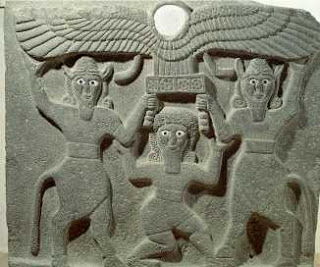
HISTORIA15: ¿SE PODRÍA PREGUNTAR CÓMO ES EL SOL DIVINO GOBERNADO POR EL SOL DIVINO?

HISTORIA15: LOS ARAMEOS. Una de las civilizaciones más influyentes del antiguo Medio Oriente fue la de los arameos.

Los Arameos


Una de las civilizaciones más influyentes del antiguo Medio Oriente fue la de los arameos. Este era un pueblo principalmente nómade, conocido por sus conquistas militares brutales. Los arameos habían saqueado varias veces el Imperio de Babilonia, generando confusión y caos.

Para el año 1200 a. de C. los arameos se habían apoderado de varios territorios entre Egipto y la Mesopotamia. Esto les servía para obtener ganancias controlando las rutas de comercio entre dos grandes naciones.

Los arameos siempre estuvieron divididos en muchos reinos, y nunca conformaron un imperio. Sin embargo su cultura fue influyente ya que mucha gente en la región aprendió a hablar su idioma, el arameo. Esta lengua era similar al hebreo y al árabe.

El idioma arameo perduraría durante varios siglos. Muchas partes de la Biblia, procedente de esta zona, están escritas en esta lengua.

Historia Universal >> Las Primeras Civilizaciones >> Los Arameos
Obtenido de http://www.historiasimple.com/2009/07/los-arameos.html

MATEMÁTICAS4: AL PRINCIPIO ERA COMO LATENTE, COMO UNA "CONSTANTE", NO SE HABÍA DESPERTADO LA VIDA PERO SE SENTÍA COMO EN UNA CONSTANTE. SI SE EXISTÍA, EL DIVINO SOL SE DIÓ CUENTA DE QUE TODO ERA VIDA Y PIDIÓ QUE SE DESPERTASE LA VIDA. En general, una constante es un valor de tipo permanente, que no puede modificarse, al menos no dentro del contexto o situación para el cual está previsto. Suele relacionarse y usarse en combinación con las variables, que si admiten modificación en sus valores.

Constante (matemáticas)

De Wikipedia, la enciclopedia libre
Este artículo trata sobre el término en sentido científico y técnico. Para otros usos de este término, véase Constante.
 
YO NO SE SI ESTA CONSTANTE ADOPTABA LA FORMA GEOMÉTRICA DE UN CIRCULO. COMO DIJO LA GENTE EN EL CUENTO DEL HADA VERDE QUE SALIMOS DE UN PUNTO O DE UN CIRCULO.

En general, una constante es un valor de tipo permanente, que no puede modificarse, al menos no dentro del contexto o situación para el cual está previsto. Suele relacionarse y usarse en combinación con las variables, que si admiten modificación en sus valores.

El término constante puede emplearse en los siguientes contextos:

f(n) = sen (π · [n]) donde [n] es la función parte entera, es, para cada n real, igual a 0.

HISTORIA15: AL PRINCIPIO ESTABA TODO DORMIDO, EL DIVINO SOL PIDIO QUE HUBIESE VIDA, NO SE SI ES EL DIOS ARAMEO. CREO QUE FUE EL PRIMERO QUE SE LE DESPERTÓ LA CONCIENCIA. TODO ESTABA COMO LATENTE. ERA COMO UNA "CONSTANTE" Y EL DIOS ARAMEO DEBIÓ DE SER EL PRIMERO QUE TOMÓ CONCIENCIA, QUIEN PIDIÓ QUE HUBIESE VIDA FUE EL SOL DIVINO. NO ME DOY CUENTA DE LA RELACIÓN CON EL DIOS ARAMEO.

Arameos

De Wikipedia, la enciclopedia libre
Bandera de los arameos.

Los arameos (también llamados siriacos) es un pueblo semítico nómada, que habitó en Aram-Naharaim, o "Aram de los dos ríos", también conocido como Mesopotamia, una región que incluye Siria, Iraq, Jordania, Líbano y parte de Irán que es mencionada seis veces en la Biblia. Los "dos ríos" específicos son identificados de diversas formas por diferentes expertos, aunque uno de ellos es generalmente el Eufrates. Los compiladores de la Enciclopedia Judía, en 1901/8 no encontraron el nombre en inscripciones asirias o babilonias, pero lo identificaron con Nahrima en tres tablillas de las cartas de Amarna.

Los arameos formaron un bloque inédito y elemental en la historia del Próximo Oriente desde el siglo XII a.C. a partir de los desplazamientos migratorios que tenían lugar desde el desierto a las zonas fértiles. Sucedieron a otros grupos semitas, como los suteos, akhlamu y los cananeos. La presencia de los arameos, aún sin haber sido expuesta satisfactoriamente, fue relevada por los caldeos.

Según el epígrafe de la estatua del rey Idrimi de Alalakh, Canaán podría considerarse como país en el siglo XV a.C., siendo que es nombrado reiteradamente en la Biblia como tierra prometida. Cananeos y arameos han sido relacionados en función de su presencia en la misma situación geográfica y a un semblante filológico parecido.

Los akhlamu, de origen asirio, son otro de los pueblos relacionados con el arameo. Esta etnia, cuyas ocupaciones abarcaban desde la agricultura hasta el saqueo entre los siglos XIV y el XII a.C., ha sido asociada con los arameos al observárseles transitando juntos en Mesopotamia. Poco se conoce de esta gente, salvo por las reseñas que se describen en una carta recibida por el rey de Babilonia Kadashman-Enlil II, que envió el rey hitita Khattusilis III, donde se menciona a los pendencieros akhlamu como bandoleros salteadores de caminos. En varios escritos de Assurnasirpal II (883-859 a. C.) se cita a los akhlamu-arameos siendo desterrados desde el alto Tigris, en Bit-Zamani, al país de Assur.

[editar] Lengua aramea

Los arameos dieron unidad lingüística al Oriente Próximo, su lengua, llamada también arameo, fue las más hablada en toda esa parte del mundo.

[editar] Bibliografía

  • BRINKMAN, J. A., "Notes on Aramaeans and Chaldaeans in southern Babylonia in early seventh century BC", Orientalia, 46, 1977, págs. 304-325.


[editar] Enlaces externos

Wikipedia
Esta lengua tiene su propia Wikipedia. Puedes visitarla y contribuir en Wikipedia en arameos.